LS1
Information that helps route an LS1 drainage enquiry
City-centre enquiries may involve an individual flat, a shared part of a managed building or business premises. The postcode, affected area, number of fixtures involved and access arrangements help distinguish the appropriate service and responsibility route.
This page is the location route for a blocked-drain or drainage enquiry in Leeds city centre. It complements the main Leeds service pages by collecting the building and access details that can matter at an LS1 address; it does not imply a separate city-centre office or guarantee a particular response time.
Start with the symptoms, not an assumed cause
For a drain that is slow, blocked or backing up, use the drain-unblocking guidance and report which fixtures are affected. One slow sink may indicate a local waste-pipe restriction, while several affected fixtures, a full chamber or an external overflow may point to a problem elsewhere in the drainage run.
Tell us whether the issue is inside or outside, whether it affects a toilet, sink, shower, floor drain, gully or inspection chamber, and whether it has happened before. Avoid repeatedly using affected fixtures if doing so causes water or sewage to rise.
Domestic and managed-property enquiries
For a house or individual flat, include the occupant’s contact details, the full postcode and where the symptoms appear. If the issue may involve a shared stack, communal area, basement or external drain, say whether a landlord, managing agent, concierge or other authorised site contact needs to arrange access.
Responsibility cannot be decided from the postcode alone. A problem serving one property may be private, while a shared sewer or lateral drain may involve the water company. A highway gully is generally a council matter. Note whether neighbouring units are affected and whether the visible problem is within the property, a communal area or the public highway.
Commercial drainage enquiries
The commercial drainage page is the appropriate route for shops, hospitality premises, offices and other managed sites. Include the premises type, affected area, on-site contact, safe access times and whether toilets, customers, staff, tenants or food-service areas are affected.
This information helps distinguish a local blockage from an issue affecting shared building drainage. It also avoids assuming that equipment, access or a particular repair method will be suitable before the site details are known.
Urgent symptoms
Use the emergency drainage enquiry guidance when sewage is entering an occupied area, wastewater is continuing to rise, the only usable toilet is affected or the problem presents an immediate hygiene risk. The page explains what to report and sensible steps to reduce further use while the enquiry is assessed; it does not promise a response time.
Keep people away from wastewater, avoid chemical drain cleaners, and do not open or enter any confined drainage space. If the visible issue is on a public road or highway gully, the relevant authority may be the correct first contact.
Recurring problems, CCTV and repairs
A first-time accessible blockage does not automatically need a camera survey. If the issue returns, the location remains unclear or pipe damage is suspected, read the CCTV drain-survey guidance. A survey can provide evidence about roots, displaced joints, cracks or other defects where the pipe can be inspected.
Use the drain-repair guidance when there is evidence of a structural defect. Repair decisions should reflect the survey findings, pipe condition and available access rather than a generic recommendation based only on the area name.
Send the Leeds city centre enquiry
Use the form on this page and include:
- The full postcode and property or premises type
- The affected fixture, drain or part of the building
- Whether water or sewage is backing up or overflowing
- Whether one unit or several areas are affected
- Whether the issue is new or recurring
- Any authorised site-contact and access requirements
The existing enquiry form preserves the page location with the submission, so the request can be identified as coming from the Leeds city centre route.
Leeds city centre drainage options
Leeds-wide services related to this enquiry
These service pages explain the main options in more detail. The symptoms and available access should determine the next step.
Service
Drain unblocking Leeds
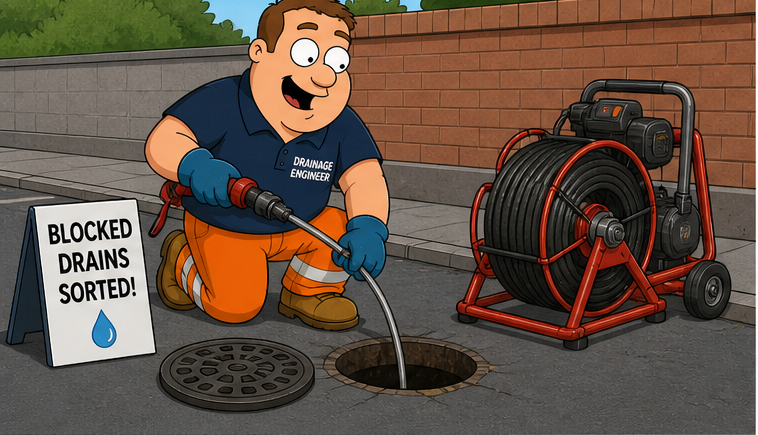
This page is for drains that are slow, blocked, backing up or repeatedly failing. Send the location and symptoms so the enquiry can be assessed for clearing, jetting, inspection or another appropriate next step.
View service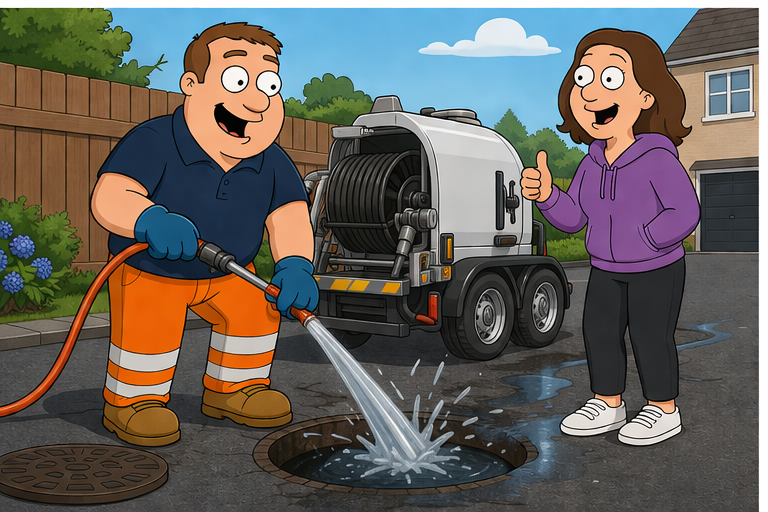
Service
Commercial drainage Leeds
A blocked drain at a business can disrupt staff, customers, tenants, hygiene standards and opening hours. Fast, clear triage matters.
View service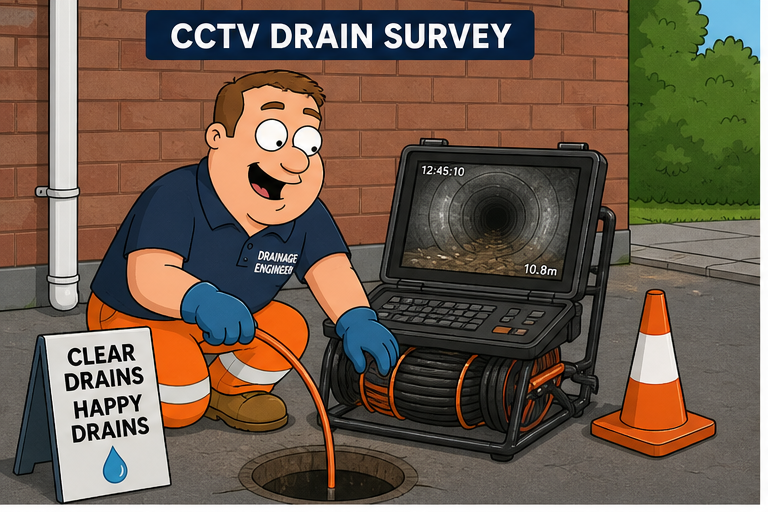
Service
CCTV drain survey Leeds
A CCTV drain survey uses a camera to inspect the inside of the pipework. It can show what is causing a blockage, where a defect sits and whether a repair is needed.
View service
Service
Emergency drain unblocking Leeds
Some drainage problems cannot wait. Sewage backing up, an overflowing toilet, wastewater outside the property or a blocked drain affecting a business all need fast triage.
View service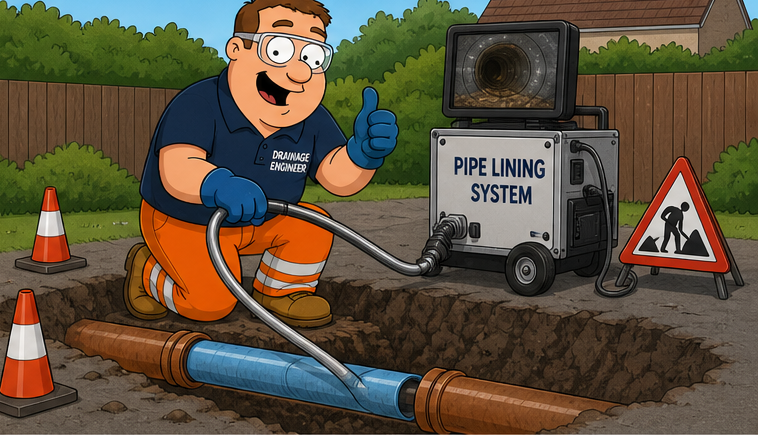
Service
Drain repair Leeds
A recurring blockage can justify investigation, but it does not prove that a drain needs relining or excavation. The suitable repair depends on CCTV evidence, pipe condition, access, alignment, ownership and the type of defect. This page explains how lining and localised no-dig repairs work, where they may fit and when a conventional repair may still be necessary.
View serviceFAQs
Common questions
What should I include in a Leeds city centre drainage enquiry?
Include the full postcode, property type, affected fixture or drain, whether water or sewage is backing up, whether other parts of the building are affected and any access or site-contact requirements.
Can the form be used for a flat or managed building?
Yes. State whether the problem appears limited to the flat or affects a shared stack, basement, communal area or outside drain. Include the managing agent or site-contact details only when you are authorised to share them.
Can a Leeds city centre business submit an enquiry?
Yes. Use the commercial drainage route and explain the premises type, affected area, opening or access constraints and whether customers, staff or tenants are affected.
When might CCTV inspection or repair assessment be relevant?
CCTV inspection may be useful where a blockage repeats, the affected run is unclear or damage is suspected. Repair recommendations should follow evidence rather than being assumed from the initial symptoms.