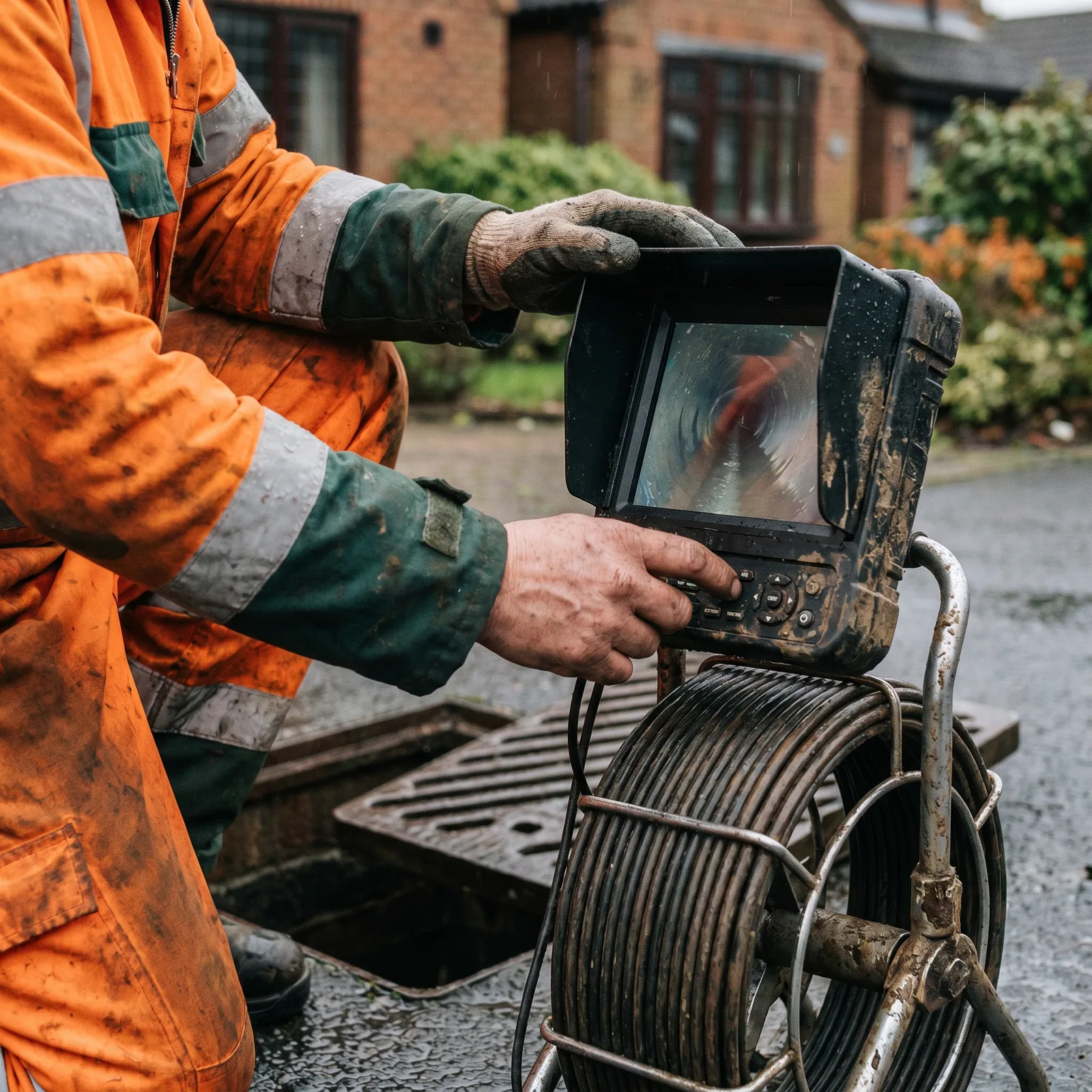
Searching for the best drainage contractor in Leeds usually means you want someone reliable, suitable for the problem and clear about the work and cost. Results describing the best drainage contractors in Leeds can be difficult to compare because every business presents its services differently. There is no objective league table that can identify one contractor as the best for every property or every drainage fault, so a useful comparison starts with evidence, scope and communication rather than advertising language.
A quick contractor-selection checklist
- Does the contractor handle the specific problem you have?
- Will they explain how they plan to diagnose and clear it?
- Is the quoted scope clear about what is included and excluded?
- Will recommendations for surveys or repairs be supported with evidence?
- Are reviews recent, specific and presented transparently?
- Can they explain what happens if the first method does not resolve the problem?
- Have they considered whether the drain may be shared or publicly maintained?
- Do you know who will attend and how updates will be communicated?
1. Match the contractor to the drainage problem
Begin with the symptoms rather than choosing a specialist method yourself. A single slow fixture, an overflowing outside gully, several affected drains and a recurring blockage are different problems and may need different equipment or investigation.
For a typical obstruction, start with the blocked-drain and drain-unblocking service. A blocked toilet may need a fixture-specific approach, while an active sewage backup or unusable only toilet may require urgent drainage help. A contractor should be able to explain whether the enquiry fits the work they provide before you agree to a visit.
Useful information to give every contractor includes:
- Your postcode and property type
- Which fixtures or outside drains are affected
- Whether water or sewage is backing up
- Whether one drain or several are involved
- Whether the problem has happened before
- Any safe access information about gullies or inspection chambers
Giving each contractor the same information makes their answers easier to compare.
2. Ask how the cause and method will be assessed
A dependable contractor should not present every blockage as the same job. Ask what they expect to check before choosing the clearing method and why that method suits the symptoms and access.
Drain jetting can be appropriate for grease, silt and stubborn build-up in a suitable pipe run, but it is not automatically required for every blockage. Similarly, a CCTV drain survey is a diagnostic inspection rather than a clearing method. It becomes more relevant when the blockage returns, the cause is unclear or damaged pipework is suspected.
Questions worth asking include:
- What is the first method you expect to use, and why?
- What access point will you need?
- What would make you recommend jetting instead of mechanical clearing?
- When would a CCTV survey become useful?
- If you suspect damage, what evidence will I receive before repair is discussed?
3. Compare the full quote, not only the headline price
Two quotes can look similar while covering different work. Ask for a clear description of the intended service and anything that could change the price. Relevant points may include call-out terms, the initial clearing method, additional time or equipment, survey work, VAT and any follow-up visit.
The guide to blocked-drain cost factors in Leeds explains why access, blockage location, urgency and the required method affect the price. A contractor may not be able to confirm the final scope before assessment, but they should be able to explain how the charge will be determined and obtain agreement before adding materially different work.
Be cautious when a low headline price is presented without enough detail to understand what it covers.
4. Look for evidence before approving further work
Clearing a blockage, inspecting a pipe and repairing damage are separate stages. If a contractor recommends a drain repair, ask what has been found and how the proposed repair addresses it.
Depending on the job, useful evidence might include:
- A clear explanation of where the problem sits
- Camera footage or still images from a survey
- A written description of any visible defect
- The location and approximate extent of the affected pipe
- An explanation of the available repair options
- Confirmation of what the repair quote includes
Evidence does not mean every job needs a camera survey. It means a significant recommendation should be proportionate to the problem and supported by something more than an assumption.
5. Read reviews carefully
Reviews are most helpful when they describe a recognisable job and the customer’s experience of communication, scope, pricing and follow-up. Several detailed reviews over time are more informative than a collection of brief, identical-sounding statements.
When checking reviews, consider:
- Whether the feedback appears recent
- Whether it describes the work completed
- Whether positive and critical feedback are handled professionally
- Whether the review platform or collection method is clear
- Whether the claims in the reviews match the service you need
The Blocked Drain Leeds reviews page explains the service standards the site aims to maintain and is transparent about the current status of verified review collection. It does not invent customer experiences or present unverified testimonials as proof.
6. Check communication and practical arrangements
Good communication is especially important when wastewater is backing up or access is difficult. Before confirming a visit, make sure you understand:
- How urgent the contractor considers the problem
- The expected arrival or callback arrangement
- Who needs to provide access
- What you should stop using while you wait
- How changes to the proposed scope will be agreed
- What record or explanation you will receive afterwards
Clear answers at this stage do not guarantee a particular outcome, but they reduce avoidable misunderstandings.
7. Check whether the contractor is the right organisation to call
Not every blockage is privately maintained. A drain serving only one property is often the owner’s responsibility, while lateral drains and shared public sewers may be the water company’s responsibility. Highway gullies are generally handled by the council.
If neighbours are affected or the problem appears beyond the property boundary, read the guide to who is responsible for a blocked drain in Leeds before authorising private work. A responsible contractor should be willing to discuss the possibility rather than assuming every problem belongs to the property owner.
Warning signs to question
- Claiming to be the best without verifiable evidence
- Diagnosing a collapse, root problem or major defect from a short description alone
- Treating jetting, CCTV surveying or excavation as the answer to every blockage
- Pressuring you to approve a repair before explaining the evidence
- Giving a vague quote with no explanation of possible additional charges
- Using reviews or accreditation logos that cannot be checked
- Refusing to explain what happens if the first approach does not work
Make the decision on fit, clarity and evidence
The best drainage contractor for a Leeds property is the one that fits the actual problem, communicates clearly and makes proportionate recommendations. Compare contractors on the service being offered, the basis of the price, the evidence behind further work and the quality of communication. Those points are more useful than any unsupported claim to be number one.
LEEDS DRAINAGE HELP
Describe the problem before choosing the next step
Send the postcode, symptoms, urgency and access details so the enquiry can be assessed against the appropriate drainage service.
If water or sewage is actively backing up, call and explain what is affected. For other problems, use the form to request a callback.